download (49)
local festivals

Suggi / Harvest Festival

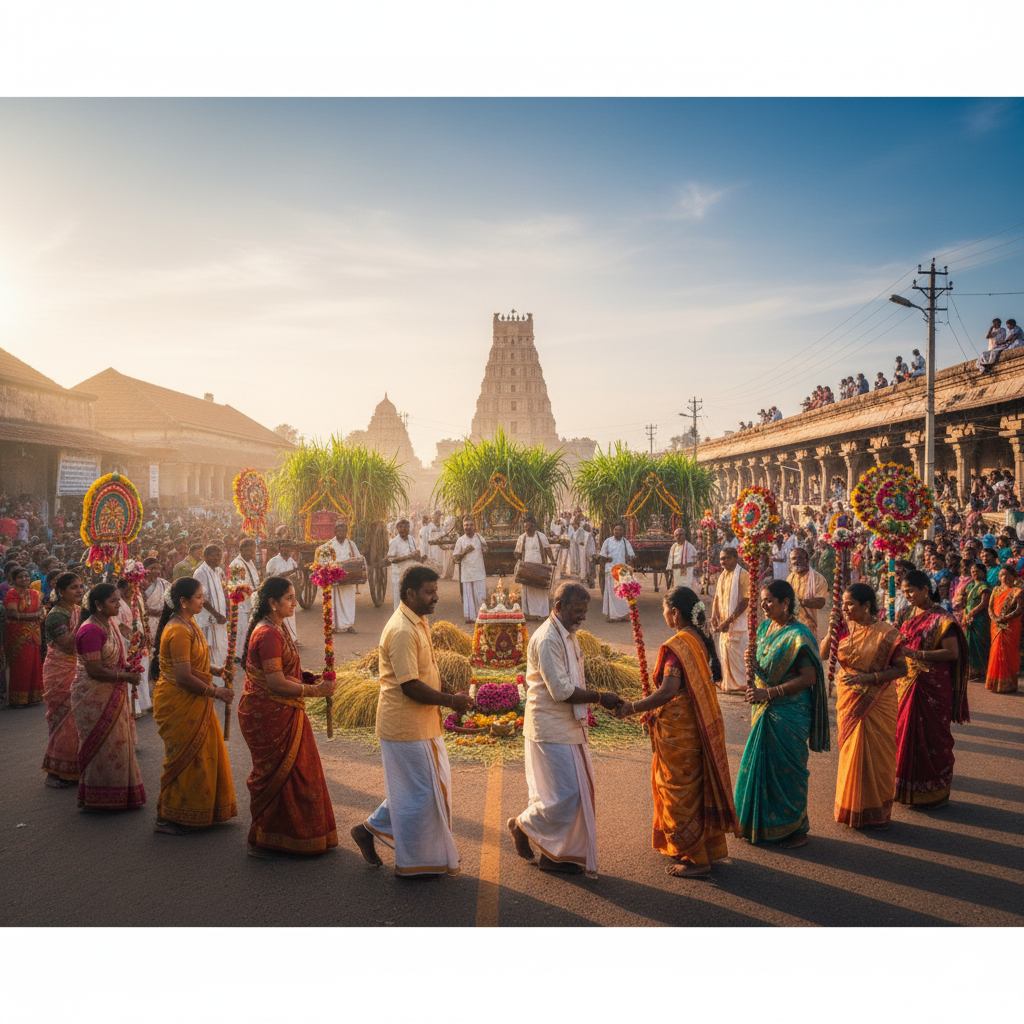
The Suggi Festival, also known as the harvest festival, holds a special place in Mandya’s cultural life due to the region’s strong agricultural background. Celebrated mainly by farming communities, Suggi marks the successful completion of the harvest season and expresses gratitude to nature, the sun, and the land. Farmers celebrate this festival with joy, organizing village gatherings filled with folk music, traditional dance, and festive meals. Houses and farmlands are cleaned and decorated, and families share food made from freshly harvested crops. Sugarcane, being Mandya’s primary crop, plays a central role in these celebrations. Suggi is not just a festival but a celebration of hard work, unity, and rural life. It strengthens bonds among farming families and highlights Mandya’s identity as the “Sugar Bowl of Karnataka.”

download (47)
local festivals

Temple Rathotsava (Chariot Festivals)

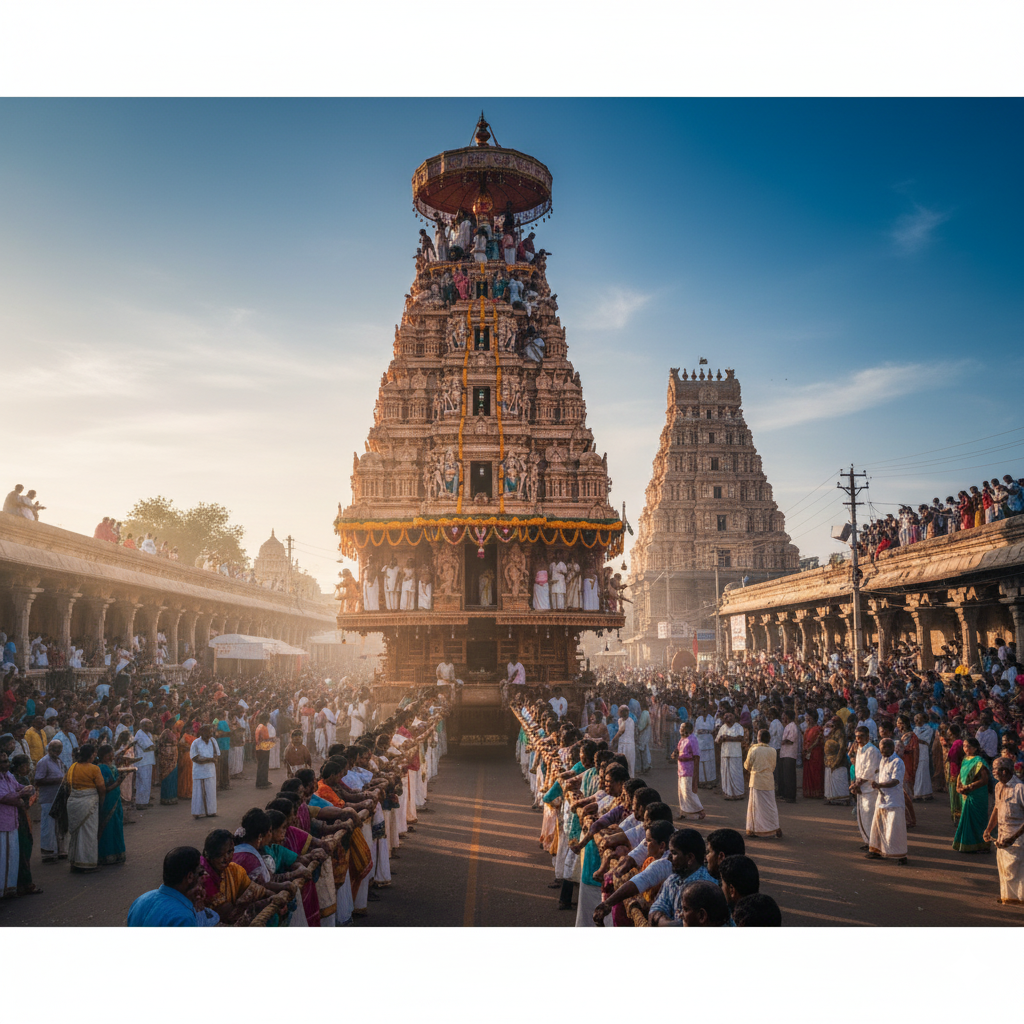
Rathotsava, or chariot festivals, are celebrated at various temples across Mandya taluk. During these festivals, the temple deity is placed on a beautifully decorated wooden chariot and taken in a grand procession through the streets. Devotees from nearby villages gather to pull the chariot, chanting prayers and singing devotional songs. The event is believed to bring blessings to the entire village. Rathotsavas are usually accompanied by temple rituals, music, and offerings. These festivals strengthen religious faith and highlight Mandya’s strong temple-centered community life.

download (48)
local festivals

Kambala / Village Jatre (Village Fairs)

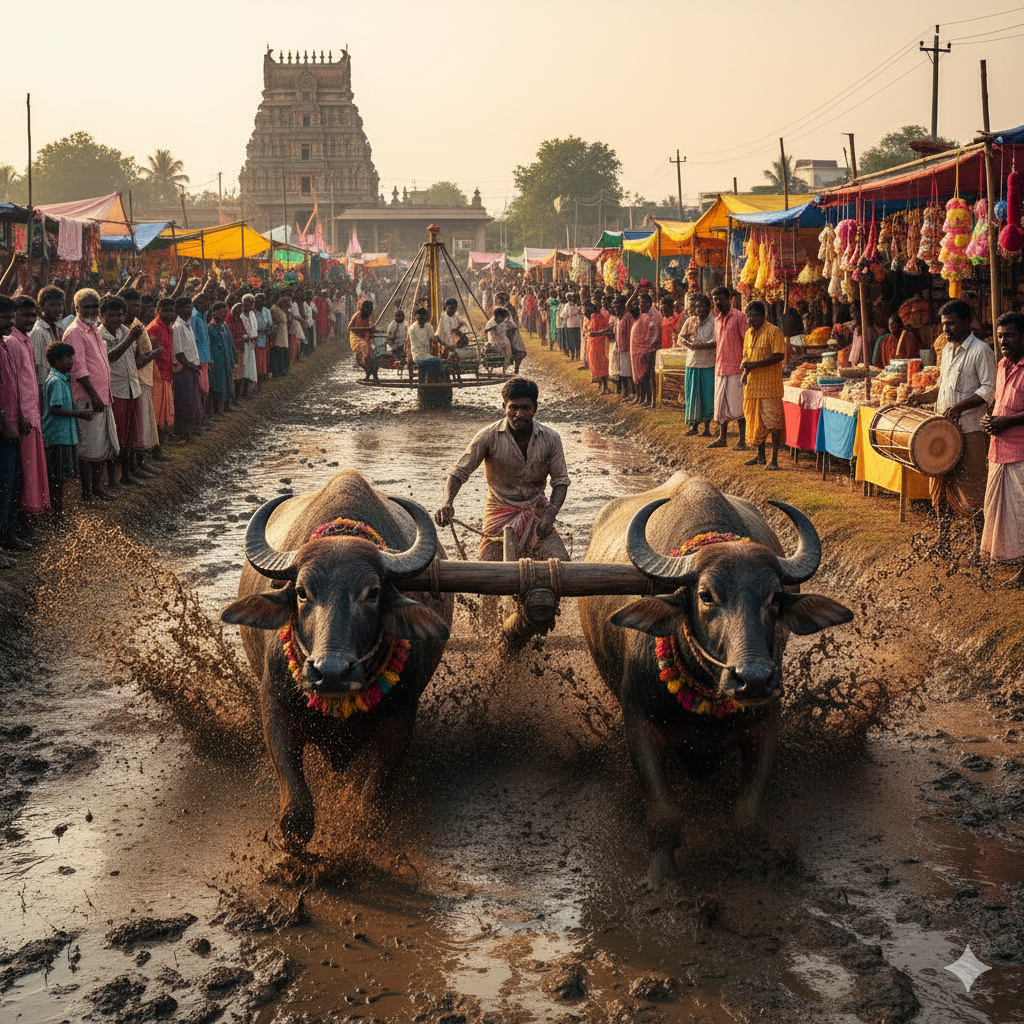
Village Jatres are an essential part of Mandya’s local culture. These temple fairs are organized annually in villages across the district and are dedicated to village deities. The jatres bring together people from nearby villages and towns, creating a lively and festive atmosphere. These events include folk performances, street food stalls, traditional rituals, and cultural programs. Local artists perform folk dances, drum performances, and devotional songs, keeping ancient traditions alive. Temporary markets selling toys, ornaments, and handmade goods add to the excitement. Village jatres play a major role in community bonding, allowing people to reconnect, celebrate together, and pass traditions to younger generations.

download (45)
local festivals

Local Deepotsava (Temple Light Festival)

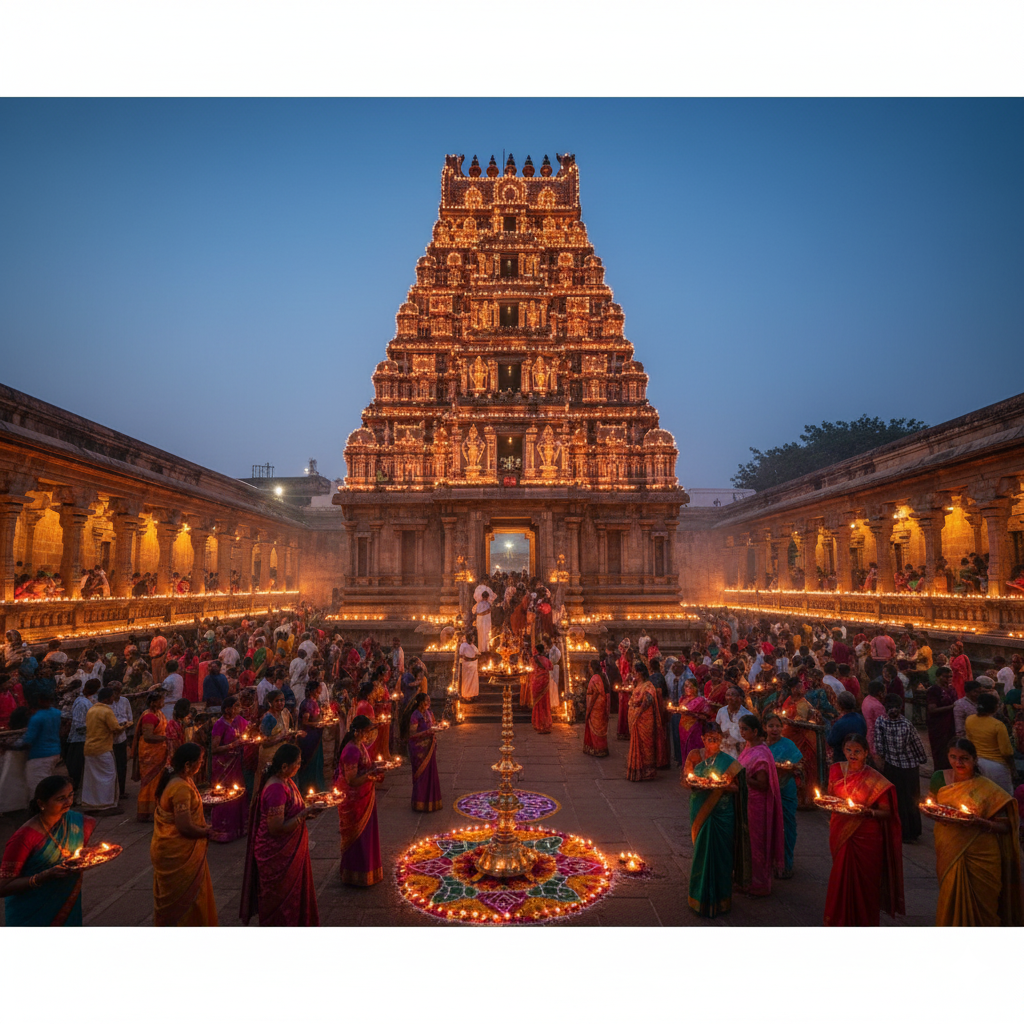
Deepotsava is a beautiful local festival celebrated in temples and villages across Mandya. Thousands of lamps are lit around temple premises, streets, and homes, creating a magical and peaceful atmosphere. The lighting of lamps symbolizes the victory of light over darkness and knowledge over ignorance. Devotees gather to witness the illuminated temples and participate in special prayers and cultural events.

download (46)
local festivals

Gowri–Ganesha Festival

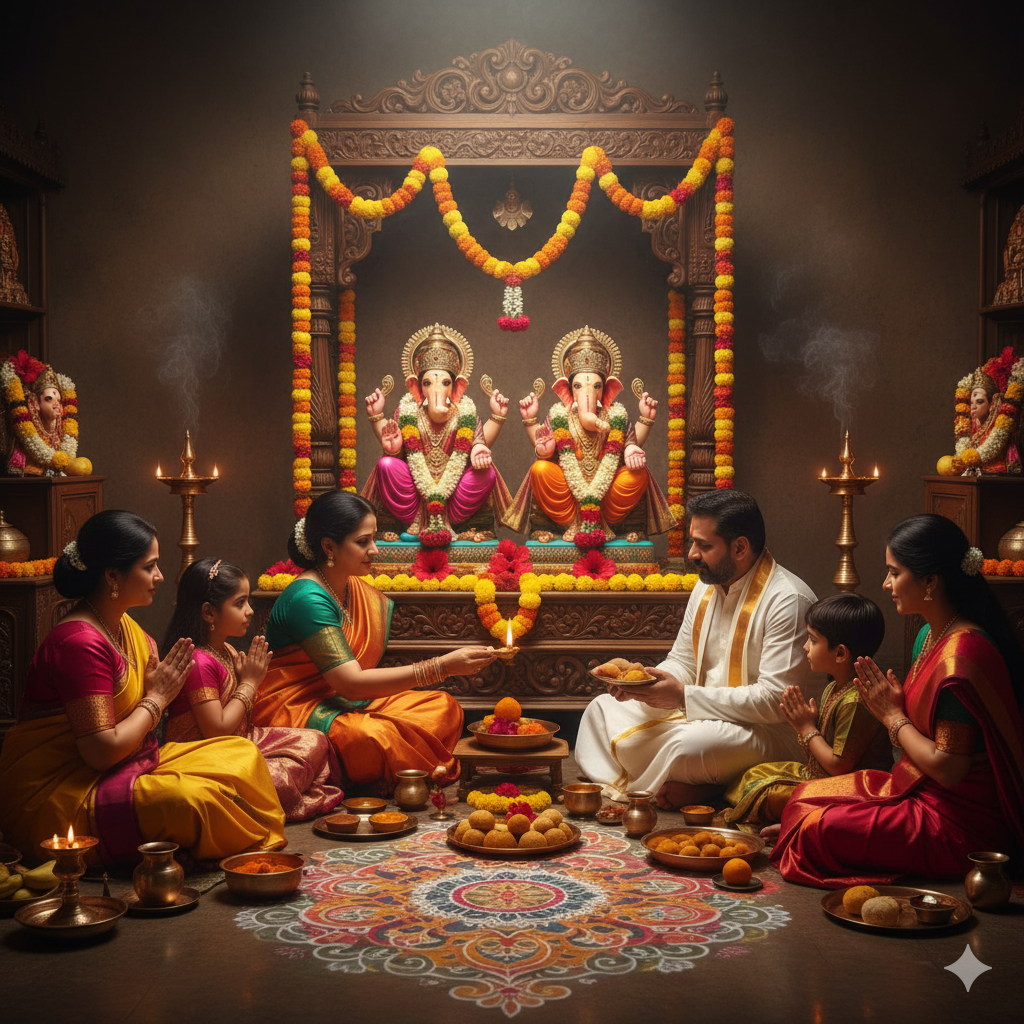
The Gowri–Ganesha Festival is widely celebrated in Mandya homes and temples, symbolizing family unity and devotion. Goddess Gowri is worshipped first, followed by Lord Ganesha, who is believed to remove obstacles and bring prosperity. Homes are decorated with flowers and rangoli, and families come together to perform poojas and offer traditional sweets. The festival is especially popular among households and reflects the importance of family values in Mandya’s culture.

download (50)
Festivals

Ramzan (Eid-ul-Fitr & Eid-ul-Adha)

Ramzan is observed with devotion and discipline by the Muslim community in Mandya. The month is marked by fasting, prayers, and acts of charity. After Ramzan, Eid-ul-Fitr is celebrated with special prayers, festive meals, and sharing with the needy. Eid-ul-Adha emphasizes sacrifice, compassion, and generosity. These festivals promote unity, kindness, and brotherhood, strengthening social harmony in Mandya.

local festivals

Vairamudi Festival (Melukote)

The Vairamudi Festival is one of the most famous and grand local festivals celebrated at the Cheluvanarayana Swamy Temple in Melukote, near Mandya. The highlight of this festival is the adorning of the deity with the sacred Vairamudi, a diamond-studded crown that is brought under high security and worn only once a year. Lakhs of devotees from across Karnataka and neighboring states gather to witness this divine event. The festival is marked by elaborate rituals, temple ceremonies, and vibrant cultural programs that continue over several days. The spiritual atmosphere, combined with historical significance, makes this festival truly unique. The Vairamudi Festival represents Mandya’s rich religious heritage and is a major spiritual landmark for the region

download (43)
Festivals

Holi

Holi, the festival of colors, is celebrated with joy and enthusiasm in Mandya, especially among the youth and local communities. People come together to play with colors, sing festive songs, and share sweets, creating an atmosphere of happiness and togetherness. Though not traditionally rooted in the region, Holi has gained popularity in recent years and is celebrated in a friendly and inclusive manner. The festival promotes unity, friendship, and joy, breaking social barriers and encouraging communal harmony

download (41)
Festivals

Mahashivaratri

Mahashivaratri is dedicated to Lord Shiva and is celebrated with deep devotion across Mandya. On this sacred night, Shiva temples witness large gatherings of devotees who observe fasting, perform special rituals, and participate in night-long prayers and bhajans. The atmosphere in temples is filled with devotion, chanting, and spiritual energy. Special poojas, abhishekams with milk, water, honey, and sacred offerings are performed throughout the night. Many devotees remain awake, meditating and listening to devotional songs, believing that worshipping Lord Shiva on Mahashivaratri brings peace of mind, strength, and spiritual growth. The festival also encourages self-discipline, reflection, and devotion. Mahashivaratri strongly reflects Mandya’s spiritual traditions, temple culture, and the deep faith of its people.

download (40)
Festivals

Makara Sankranti

Makara Sankranti is one of the most significant and widely celebrated festivals in Mandya, deeply connected to agriculture and the harvest season. As Mandya is popularly known as the “Sugar Bowl of Karnataka,” sugarcane holds a special place in Sankranti celebrations, symbolizing prosperity, abundance, and the hard work of farmers. The festival marks the transition of the sun into the zodiac sign Makara (Capricorn) and is considered an auspicious time for new beginnings. Farmers express gratitude to nature, the sun god, and their cattle for a successful harvest. Cows and bulls are bathed, decorated with colorful ornaments, and worshipped as part of the traditional “Mattu Pongal” style celebrations, highlighting the close bond between farmers and their livestock. Homes and villages in Mandya are decorated with vibrant rangoli designs made from colored powders and flowers. Families prepare and exchange traditional sweets made from jaggery, sesame seeds, peanuts, and coconut, symbolizing warmth, unity, and sharing. Sugarcane, groundnuts, and festive foods are exchanged among relatives, friends, and neighbors, strengthening social bonds. Children and youth actively participate in kite flying and festive games, adding joy and energy to the celebrations. Temples and community spaces host special prayers and cultural programs during this time. Makara Sankranti beautifully reflects Mandya’s agricultural strength, rural traditions, and the vital role farming plays in the daily life and economy of the region.